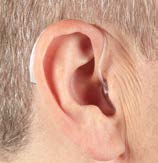
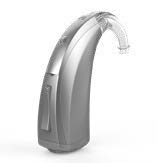
Hearing instruments come in a variety of sizes, from tiny, invisible-in-the-canal models to those which sit behind the ear. The right hearing instrument style and size depends on several factors, including: degree of hearing loss, listening requirements, ear shape and size, the ability to handle and control instruments and lifestyle needs.
Today’s hearing instruments can be very discreet. Your Hearing Professional will discuss with you the different factors relating to each style before recommending a specific device. Understanding some of the differences between the hearing aid styles will help you and your hearing professional choose the instrument that’s right for you.
Invisible in the canal (IIC)
The newest custom fit style is virtually invisible when worn. Living in the second bend of the ear, the IIC comes complete with the world’s industry-leading technology.
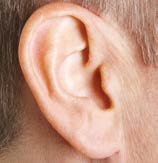
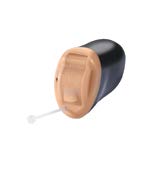
Completely in the canal (CIC)
These devices fit completely in the ear canal. Only the head of a tiny plastic line – with which you insert or remove the instrument – shows above the canal.
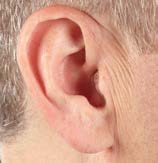
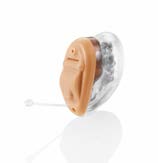
In the canal (ITC)
ITC instruments feature a custom earmould that fits down the ear canal and a small portion that faces out into the outer ear.
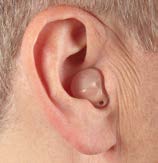

In the ear (ITE)
ITE instruments house the technology components in a custom earmould that fits within the outer portion of the ear.
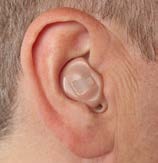
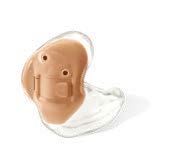
Receiver in canal absolute power (RIC AP)
The RIC AP combines a custom earmould with a sleek RIC instrument allowing people with even the most severe hearing loss to enjoy style without sacrificing power and performance.
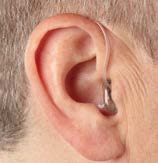
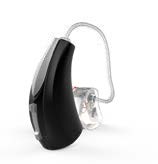
Receiver in canal (RIC)
The RIC device is small, discreet and incredibly quick to fit; perfect for many first-time wearers.
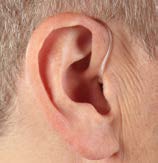
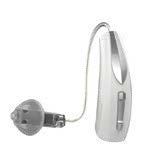
Mini behind the ear (miniBTE)
The mini BTE rests behind the ear.
The case at the back of the ear houses the technology, while a clear tube then directs amplified sound into the ear canal via a custom earmould or earbud.
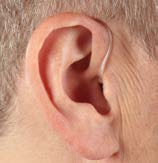
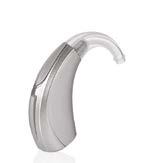
Behind the ear (BTE)
BTE instruments’ technology is housed in a casing that rests behind the ear. A clear plastic tube then directs amplified sound into an earmould inside the ear.